Industrial Technology
Industrial Technology at SFCC
If you enjoy troubleshooting equipment, working with advanced technology, and solving the problems that keep modern industry moving, SFCC’s Industrial Technology programs can prepare you for a hands-on, high-demand career. You’ll develop practical skills in industrial electricity, mechanical systems, automation, robotics, programmable logic controllers (PLCs), maintenance, and manufacturing operations while training with equipment designed to reflect real-world industrial environments.
With short-term certificates, professional certificates, and an associate degree available, you can choose the pathway that fits your goals and continue building your skills as your career grows.
Degree Options
Associate of Applied Science in Industrial Technology with Emphasis in Electrical
Maintenance
Professional Certificate in Manufacturing Production Technician
Professional Certificate in Robotics and Automation Technician
Professional Certificate in Total Productive Maintenance
Skills Certificate in Electro-Mechanical Technology
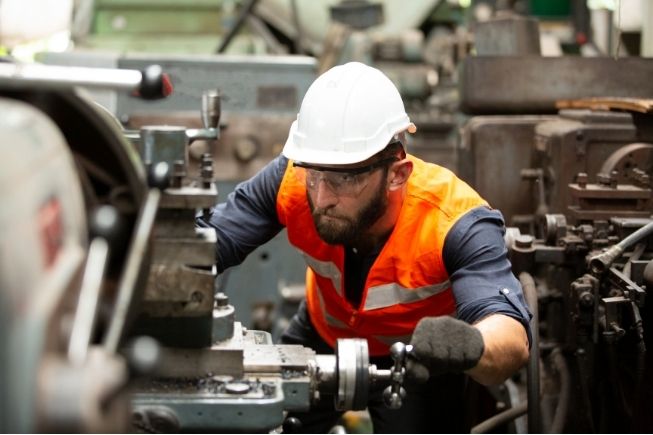
Build Your Future in Industrial Technology
Modern manufacturing depends on skilled technicians who can install, maintain, troubleshoot, and improve increasingly sophisticated equipment. SFCC’s Industrial Technology programs combine classroom instruction with extensive hands-on training to help you understand how electrical, mechanical, and automated systems work together.
Depending on the pathway you choose, you can develop skills in motor controls, PLC programming, robotics, fluid power, industrial maintenance, electrical systems, automation, troubleshooting, safety, and production processes.
These skills can prepare you for opportunities in manufacturing plants, utilities, food processing, logistics, production facilities, and other technical industries.
Gain hands-on experience with industrial electrical, mechanical, robotics, and automation systems.
- Work with plants and learn greenhouse skills in the Potter-Ewing Agriculture Building.
- Learn to troubleshoot motors, control circuits, sensors, drives, PLCs, and industrial equipment.
- Train in labs designed to provide the look and feel of an actual industrial environment.
- Work with state-of-the-art equipment and technology used in modern manufacturing.
- Build practical troubleshooting and problem-solving skills employers value.
- Learn preventive, predictive, and reliability-focused maintenance practices.
- Choose from stackable certificate and degree options based on your career goals.
- Prepare to enter the workforce quickly or continue building toward a two-year degree.
- Develop skills that can be applied across manufacturing, production, utilities, logistics, and other industries.
- Start without previous electrical experience. SFCC’s programs are designed to help students build their technical skills from the ground up.
Choose the Path That Fits Your Goals
SFCC offers several Industrial Technology credentials, allowing you to begin with foundational training, specialize in a particular area, or complete a comprehensive associate degree.
Electro-Mechanical Technology
The Skills Certificate in Electro-Mechanical Technology is an 18-credit-hour credential designed for students who want to build practical industrial maintenance skills and enter the workforce quickly.
Students gain hands-on experience with industrial electrical and mechanical systems while developing troubleshooting skills for motors, control circuits, sensors, drives, and other equipment. The program is appropriate for students entering the field as well as existing maintenance technicians who want to update their technical skills.
The certificate is stackable toward additional Industrial Technology credentials, making it a strong starting point if you want to begin working and continue your education later.
Manufacturing Production Technician
The Professional Certificate in Manufacturing Production Technician provides a foundation in the processes and practices used in modern production environments. Students develop knowledge of manufacturing processes, safety, quality, operations, and maintenance while preparing for entry-level production employment.
Four Certified Production Technician courses include certification assessments through the Manufacturing Skill Standards Council (MSSC). Students can earn an MSSC certificate for each successfully completed assessment, and those who successfully complete all four can earn the Certified Production Technician (CPT) credential. The CPT is recognized by the National Association of Manufacturers (NAM).
This credential can also be applied toward technical requirements for the Associate of Applied Science in Industrial Technology with an emphasis in Electrical Maintenance.
Robotics and Automation Technician
The Professional Certificate in Robotics and Automation Technician prepares students to work with the advanced technologies transforming manufacturing and industrial operations.
Through hands-on training, you’ll learn how to set up and troubleshoot robotic systems, program automated machinery, interpret electrical diagrams, and work with PLCs and industrial control systems. You’ll also develop troubleshooting skills for motors, sensors, drives, control circuits, and mechanical equipment.
This pathway is a strong fit if you enjoy technology, automation, problem-solving, and working with innovative equipment. Graduates can pursue opportunities in manufacturing, production, and other industrial environments where robotics and automation technicians help keep sophisticated systems operating efficiently.
Total Productive Maintenance
The Professional Certificate in Total Productive Maintenance is a 30-credit-hour program designed to prepare students for industrial maintenance careers in approximately one academic year.
Training combines major maintenance disciplines, including electrical systems, mechanical systems, fluid power, and PLCs. Students learn to read electrical and fluid power schematics, diagnose equipment problems, perform repairs, and work safely around industrial machinery.
The program also emphasizes preventive and predictive maintenance, helping students understand how effective maintenance can improve equipment reliability and reduce costly downtime.
Graduates can prepare for careers such as industrial maintenance technician, industrial maintenance technologist, or millwright. Coursework applies toward the AAS in Industrial Technology with an emphasis in Electrical Maintenance, making the certificate a strong option for students who want to enter the workforce and continue toward a degree later.
Industrial Technology with Emphasis in Electrical Maintenance
The Associate of Applied Science in Industrial Technology with an emphasis in Electrical Maintenance is a 60-credit-hour, two-year degree providing comprehensive preparation for careers in industrial electrical maintenance, controls, and automation.
Students develop a strong foundation in industrial electrical systems, motor controls, automation, maintenance practices, and electrical distribution. Training includes installation, wiring, and maintenance practices aligned with the National Electrical Code as well as hands-on experience with PLC programming, troubleshooting, and system integration.
You’ll learn to interpret electrical and fluid power schematics, diagnose problems with automated machinery, repair industrial control systems, and apply technical problem-solving skills in real-world situations.
The program also provides an opportunity for an internship with an industrial partner, allowing students to apply their skills in the workplace, experience manufacturing processes firsthand, and build valuable professional connections.
Stack Your Skills and Keep Moving Forward
You don’t have to complete your entire Industrial Technology education at once. SFCC’s stackable pathways allow you to build skills and credentials as your goals evolve.
You can begin with focused technical training, enter the workforce, and return to continue toward a more advanced certificate or associate degree. This approach can be especially valuable for working technicians who want to upgrade their skills while continuing their careers.